Communal Area Cleaning in Bow
If you manage, own, or live in a shared building in Bow, keeping the common parts clean is about more than appearances. A tidy entrance, polished stairwell, fresh-smelling hallway, and hygienic touchpoints all help create a safer, more welcoming environment for residents, tenants, visitors, and staff. Communal area cleaning in Bow is especially important because many properties in the area see constant foot traffic, a mix of residential and commercial use, and day-to-day wear that quickly builds up in shared spaces. From apartment blocks and converted houses to mixed-use buildings and managed estates, a reliable cleaning schedule can make a noticeable difference to how the whole property feels.
Local customers often want a service that fits the real conditions of Bow: busy access routes, limited parking, lift and stairwell use, regular deliveries, and the challenge of keeping shared spaces presentable between residents, visitors, and contractors. That is why a local team can be so useful. We understand the rhythm of the area, the types of buildings commonly found here, and the practical details that matter when arranging cleaning for occupied communal spaces. Whether you need routine maintenance or a more detailed one-off clean, the goal is the same: consistent standards that support the building and the people using it.
Below, you will find a clear explanation of what communal cleaning typically includes, how the service works, what affects pricing, how to prepare, and why many Bow property managers and residents prefer a local provider who can respond reliably and work around the needs of the building.
Why communal cleaning matters in Bow
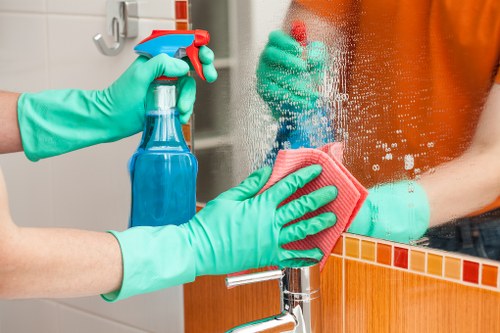
Shared areas are the first thing people see when entering a building, and they are also the spaces that collect the most everyday dirt. Dust, footprints, bin-related mess, marks on handrails, litter, and general build-up can make communal spaces feel neglected even when the individual flats or units are well maintained. In Bow, where many buildings are busy and well-used, regular cleaning helps protect the appearance of the property and supports a more comfortable living or working environment.
For residential customers, this can mean cleaner staircases, lift interiors, entrance mats, and door handles. For commercial buildings or mixed-use premises, it may also include reception areas, corridors, shared washrooms, mail areas, and high-contact points that need attention throughout the week. Good communal cleaning reduces the feeling of shared neglect and creates a better experience for everyone who passes through the building.
There is also a practical side. Regular cleaning can help identify minor issues early, such as damaged flooring, broken lights, spillages, pests, or water ingress. While a cleaning team is not there to replace maintenance contractors, clean and orderly common parts make it easier to notice when something needs attention. This is one reason many landlords, managing agents, and resident groups choose scheduled communal area maintenance rather than waiting until spaces look visibly dirty.
What our communal area cleaning service can include
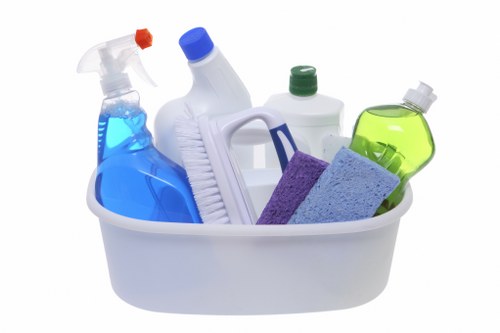
Every building is different, so a good service should be tailored to the layout, level of use, and the expectations of residents or building managers. In Bow, shared spaces may range from compact stairwells in converted terraces to larger apartment developments with lifts, corridors, bin stores, and external entrance areas. The exact specification can be adjusted to suit the site.
Typical tasks in communal area cleaning in Bow often include:
- Sweeping, vacuuming, and mopping communal floors
- Cleaning stairwells, landings, and internal entrances
- Wiping bannisters, handrails, ledges, skirting, and door frames
- Cleaning lift doors, lift interiors, and control panels
- Dusting reachable surfaces, including mail areas and window sills
- Spot-cleaning marks on walls, switches, and touchpoints
- Cleaning entrance glass, internal glazing, and mirrors where applicable
- Managing light litter removal in common parts
- Cleaning bin store access areas and nearby hard floors
- Refreshing shared areas with an emphasis on hygiene and presentation
Some buildings also require additional attention, such as periodic deep cleaning, sanitising high-touch areas, or seasonal work after bad weather. If your property has unusual access arrangements, split levels, shared service corridors, or external walkways, the cleaning schedule can be set up to match those needs rather than forcing a one-size-fits-all routine.
Well-planned communal cleaning is not just about making the area look neat. It helps reduce grime build-up, preserves surfaces, and supports a more professional standard in the building overall. That is especially valuable in properties where residents, tenants, or customers expect a consistent and well-managed environment.
Who benefits from communal area cleaning?

Shared area cleaning is useful for many different types of property owners and occupiers in Bow. The area has a varied mix of housing and commercial premises, and the needs of one building may be very different from the next. A reliable local cleaning service is often arranged by people who want a straightforward way to keep common parts in good condition without having to manage the work themselves.
Common customers include:
- Managing agents looking after blocks of flats or mixed-use buildings
- Freeholders and landlords responsible for shared entrances, halls, and stairs
- Residents’ associations arranging regular upkeep for communal spaces
- Housing providers maintaining occupied properties and shared amenities
- Commercial landlords with offices, studios, or retail units in shared buildings
- Business owners wanting a clean reception or common access area
There are also practical advantages for occupiers. Residents are more likely to respect a space that is visibly cared for. Visitors get a better first impression. In commercial premises, a clean shared environment can support professionalism and help staff feel more comfortable. Even in modest buildings, the difference between a neglected hallway and a well-kept one can be dramatic.
Because Bow includes a wide range of property types, from modern developments to older conversions, it is useful to work with a team that understands how to adapt. Some buildings need quiet work in the early morning, while others are better suited to daytime visits or tightly scheduled weekly cleans. A local provider can plan around these realities more easily.
Local knowledge matters in Bow
Bow has its own practical challenges when it comes to cleaning shared spaces. Streets can be busy, parking may be limited, and access into some buildings can require coordination with keyholders, residents, or managing agents. In a place with a mix of older housing stock, newer apartment blocks, and commercial premises, local experience can save time and reduce disruption. It also helps the service feel more reliable because the team is already familiar with the kinds of layouts and access issues that are common in the area.
For example, a converted Victorian property may have narrow staircases, small landings, and delicate finishes that need careful handling. A modern block may have lifts, coded entry, bin store areas, and underground or restricted parking. A mixed-use building could need a clean that works around opening hours, deliveries, and residents moving through the space. Local cleaners who understand these differences can plan the job properly from the start.
This kind of local awareness is especially valuable for property managers who need predictable service and minimal disruption. It is not just about turning up with a mop and bucket; it is about using a schedule, route, and method that suit the building and the people inside it.
How the service usually works

Arranging communal area cleaning in Bow should be straightforward. A clear process helps ensure the right tasks are included and that the service matches the building’s routine. Most customers prefer a simple setup: assess the site, agree the scope, schedule the visits, and keep the standards steady over time.
Step 1: Site discussion
It usually begins with a conversation about the property. This might include the number of floors, whether there is a lift, the condition of the communal areas, how often the spaces are used, and whether there are specific issues such as litter, spillages, or bin-store concerns. For many Bow buildings, access arrangements and preferred cleaning times are just as important as the cleaning tasks themselves.
Step 2: Service scope
The cleaning specification is then set out clearly. This may include weekly, twice-weekly, or more frequent visits, depending on foot traffic and the expectations of residents or tenants. The scope can include standard maintenance cleaning, additional touchpoint cleaning, or periodic deeper work in especially busy or heavily used areas.
Step 3: Scheduled visits
Once the arrangement is in place, the cleaning follows a regular schedule. Consistency is valuable in communal settings because dirt builds up quickly when multiple people use the same space every day. A dependable timetable helps keep entrances, hallways, and stairs in good condition without the need for constant complaints or ad hoc intervention.
Step 4: Review and adjustment
Properties change over time. Occupancy levels may rise, access patterns may change, or residents may ask for additional focus in certain areas. The service should be flexible enough to adjust when needed. That flexibility is often what makes a local cleaning team more useful than a distant, one-size-fits-all provider.
What is included in a professional clean?

Customers often want to know what they are paying for and what level of detail they can expect. While every site is different, a professional communal clean usually focuses on the visible and high-contact areas that shape the daily experience of the building.
Depending on the property, the service may include:
- Cleaning floors in entrance halls, corridors, and stairwells
- Removing dust and cobwebs from accessible surfaces
- Cleaning skirting boards, handrails, and bannisters
- Wiping down door handles, push plates, and switches
- Vacuuming rugs and mats at entrances
- Cleaning internal glass and spot-marked surfaces
- Freshening lift interiors and common touch points
- Light cleaning of bin store approaches and shared utility areas
- Removing visible litter and minor debris
- Reporting obvious maintenance or access issues where appropriate
Some clients also request periodic extras, such as more detailed cleaning after building works, seasonal deep cleans, or extra attention in wet weather when mud and water are more likely to be tracked inside. If a property has residents with children, pets, or high visitor numbers, the cleaning plan can be adjusted to reflect that reality.
It is always better to agree the service clearly up front. That way, everyone understands what is covered, what happens on each visit, and whether any additional tasks should be added later. Clear expectations make for smoother service and better results.
Why residents and property managers in Bow look for a local team
There are several reasons why a local provider can be the better choice for communal cleaning. First, response times are often easier to manage. If a building needs extra attention because of a spill, weather event, or unexpected issue in a shared area, a nearby team can usually respond with less delay than a company operating from much farther away.
Second, local teams tend to understand the character of the area. Bow includes a broad mix of developments, and building managers often need someone who can adapt to everything from busy apartment entrances to older communal staircases with awkward access. A local company is more likely to know where parking is tight, where loading can be tricky, and how to avoid unnecessary disruption for residents and neighbours.
Third, working locally often supports better communication. When property managers need to update the cleaning schedule, add a task, or raise an issue, it helps if the cleaning company already understands the site. That familiarity can save time and reduce confusion.
Areas and property types covered around Bow
Bow is well placed for serving a wider part of East London, and communal area cleaning is often arranged across nearby neighbourhoods as well as the immediate area. A local service can be practical for buildings close to transport links, residential estates, and mixed-use developments where regular shared-area upkeep is essential.
Depending on the job, services may be arranged for properties in and around:
- Bow
- Old Ford
- Stratford
- Mile End
- Poplar
- Devons Road
- Fish Island
- Hackney Wick
- Plaistow
- West Ham
Property types commonly covered include apartment blocks, mansion-style conversions, housing estates, office buildings with shared entrances, retail units with communal access, and mixed-use premises where residents and businesses share the same circulation areas. Each of these settings benefits from a slightly different cleaning approach, especially when it comes to timing, security access, and how detailed the work needs to be.
Where access is difficult, a local company can often plan around stair-only buildings, restricted parking, controlled entry systems, or narrow service roads. This kind of practical awareness is often just as important as the cleaning itself.
Pricing factors and what affects the quote
Many customers want an idea of how communal cleaning is priced, but the honest answer is that it depends on the property and the scope of work. Rather than fixed figures, most people receive a tailored quote based on the size of the site and the required frequency of visits. That approach is more useful because it reflects the actual workload.
Typical factors that influence pricing include:
- The number of floors, corridors, and entrances
- Whether the building has a lift
- How often the site needs to be cleaned
- The condition of the communal spaces
- Whether the property has bin stores, external walkways, or shared courtyards
- Access arrangements and time restrictions
- Whether extra tasks, such as deeper periodic cleaning, are included
It is also worth considering the difference between keeping a building in routine condition and bringing it back under control after a period of neglect. The latter may take more time at the start, especially if floors have built-up marks, dust has collected in corners, or communal glass and fittings have not been cleaned regularly. Once the site is on a stable schedule, the work often becomes more efficient and predictable.
Requesting a free quote is the best way to get a clear idea of the service fit for your building. A proper quote should reflect the layout, the cleaning frequency, and any special considerations rather than relying on assumptions.
Preparation checklist for residents and building managers
A little preparation helps communal cleaning go smoothly, especially in occupied properties where people are moving in and out throughout the day. The aim is not to create work for residents, but to make sure the cleaners can do the job efficiently and safely.
Helpful preparation steps
- Make sure access arrangements are confirmed in advance.
- Keep shared areas clear of personal items where possible.
- Move pushchairs, bikes, parcels, or loose items from walkways.
- Report any lighting issues, damaged flooring, or broken fixtures.
- Let the cleaner know about any sensitive areas, alarms, or restricted spaces.
- Agree whether bin areas, external steps, or other sections are part of the visit.
For residents, the most helpful thing is usually to keep hallways and landings tidy so the cleaner can work around them safely. For building managers, the best preparation is a clear scope and a simple way to share updates if something in the building changes.
Good preparation leads to better results and less disruption. It also helps protect personal belongings and makes sure the cleaning visit stays focused on the shared spaces that matter most.
Practical note for busy buildings
In some Bow properties, cleaners may need to work around school runs, peak commuting times, refuse collection, or contractor access. If your building has these pressures, scheduling can often be adjusted so the communal areas are cleaned when movement is lower and the work can be completed more efficiently.
Simple rule of thumb
If a shared area is frequently used, it usually benefits from more frequent cleaning. If it is lower traffic, a lighter schedule may be enough. The right plan depends on the building, not a generic timetable.
Why regular maintenance is better than waiting for a deep clean
It can be tempting to wait until communal areas look badly marked before arranging cleaning, but that usually means more work later. Regular maintenance is often the smarter option because it keeps dirt from becoming embedded and stops the building from drifting into a neglected state. In common parts that are used every day, small amounts of dust and debris quickly become visible.
Routine cleaning also supports a better atmosphere in the building. Residents are more likely to feel positive about their home when the entrance smells fresh, the floors are well kept, and the main touchpoints are clean. For landlords and managing agents, it can also reduce complaints and help demonstrate that the building is being looked after responsibly.
Consistent upkeep is usually more effective than occasional emergency cleaning. A planned service creates steadier results, a better first impression, and fewer unpleasant surprises for the people using the building every day.
Frequently asked questions
How often should communal areas be cleaned?
That depends on how many people use the building and what type of property it is. Busy apartment blocks or mixed-use premises may need cleaning several times a week, while smaller buildings may only need weekly visits. The right schedule should reflect foot traffic, bin handling, and the standard expected by residents or tenants.
Can the cleaning be arranged around access restrictions?
Yes. Many Bow buildings have controlled entry systems, set access times, or specific instructions for keyholders and managing agents. A local cleaning team should be able to work around those arrangements and plan visits to minimise disruption.
Do you clean lifts and stairwells?
Yes, these are among the most common areas included in communal cleaning. Lift interiors, doors, control panels, stair treads, handrails, and landings are all high-use areas that benefit from regular attention.
What if my building also needs bin store cleaning?
Bin stores and nearby access areas are often part of the job, depending on the arrangement. These spaces can quickly develop odours, spillages, and litter, so many property managers choose to include them in the regular cleaning scope.
Can I arrange a one-off clean?
Yes. Some customers need a one-off deep clean before a new tenancy, after building works, or when a site has fallen behind on maintenance. Others prefer recurring visits. Either option can be discussed based on what the building needs right now.
How do I get started?
Simply request a free quote and explain the property type, the communal areas involved, and the cleaning frequency you are considering. The more detail you provide, the easier it is to match the service to your building.
Choose a service that fits Bow properties
When you are looking for communal area cleaning in Bow, it helps to choose a team that understands the practical side of shared spaces as well as the cleaning itself. Bow properties are varied, often busy, and frequently occupied by people who expect the common parts to be looked after properly. A dependable local service can help maintain standards, reduce everyday mess, and keep the building feeling cared for.
Whether you manage a small block of flats, a larger residential development, or a mixed-use building with shared entrances, the right cleaning arrangement should be straightforward, flexible, and based on the real needs of the site. It should also be easy to adjust if your building changes over time.
If you are ready to improve the shared areas in your property, contact us today to discuss your needs, request a free quote, or book your service now. A well-kept communal space makes a noticeable difference every day, and the right local team can help keep it that way.